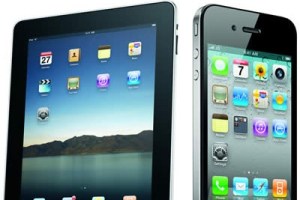
Survey: far fewer developers are prioritizing smartphone apps over tablet apps


Interesting survey mentioned on GigaOm, showing the same level of interest in making smartphone apps as they do in making tablet apps.   Smartphones are the extension everyone has to their body, but tablets seem to be the place where there’s more room for growth.  This piece shows us the difference (which, no surprise, is different when applied to development of Android apps.)

Batteries – The Holy Grail of Consumer Electronics

This article, from Quartz, is actually called “What I learned from researching almost every single smart watch that has been rumored or announced” and it is not about what you would think – it’s about the unspoken holy grail of portable consumer electronics.  Battery power.   There is chart at the link showing how battery capacity has increased since 1990 vs. how wireless transfer speed, CPU speed, and other technologies have progressed over the same period of time.  Battery life extension technology has gone almost nowhere while capacity for everything else tech continues to get better and better.  The limit of capability, in more and more cases, will be how long a battery will last.

Only 5 Percent of Tablets Connected to Wireless Data Plan


This is interesting.  According to All Things D, only 5% of tablet buyers buy anything other than the WiFi version.  It goes on to say that even the tablets sold with wireless chips often go unused, even when cellular enabled.  Article and graph here.

What they fail to mention is that most smartphones have a mobile hotspot – or to mention how many people just assume they’re already paying for one data plan (hotspot on phone or MiFi) so why not just tether it that way?

5 Years On, the App Store Has Forever Changed the Face of Software


Wired has an interesting article that makes us think about what we now take for granted – apps.  “It…changed the way we think about software distribution and valuation.”  It really did.  It is hard to imagine having a Blackberry just a few years ago, and using the web with text based menus.  When we went from ASCII based text on a screen at 300 bps to color pictures on Compuserve and America Online, it was amazing.  We’ve done the same thing with smartphones, but it is even more meaningful.  They become a part of us – an extension of our lives and our intelligence.

The Wired article about apps, the ecosystem, where we’ve been, and where we’re going is here.

Upgrading to iOS 7 means learning a new language

GigaOm addresses a concern I’ve had since the announcement (and technical description of) the new iOS7.  The fastest growing group, and most recent purchases of iPhone 5 are the “late majority” on Rogers Diffusion of Innovations curve – and are not as technologically savvy as earlier adopters.   iOS7 will only run on iPhone 5 and beyond.  Upgrading to the new OS will be too much change for most.  Hopefully they will realize that keeping their existing OS is an option….