‘Ask Me Anything’: How a Weird Internet Thing Became a New Form of Media

Interesting article about “Ask Me Anything” in MIT Tech Review  “Perhaps the most fascinating part of the popularity of the AMA is that it did not really exist before the modern (post-2000) Internet. Most social media forms find their roots in stuff people have long been doing. Word-of-mouth information sharing was the rule long before the industrialization of news production in the 19th and 20th centuries.”

via ‘Ask Me Anything’: How a Weird Internet Thing Became a New Form of Media.
An Autopsy of a Dead Social Network

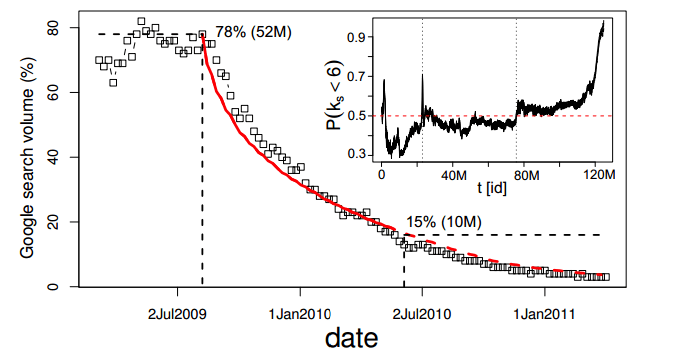
Friendster is a social network that was founded in 2002, a year before Myspace and two years before Facebook. Consequently, it is often thought of as the grand-daddy of social networks. At its peak, the network had well over 100 million users, many in south east Asia.In July 2009, following some technical problems and a redesign, the site experienced a catastrophic decline in traffic as users fled to other networks such as Facebook. Friendster, as social network, simply curled up and died.

via Best of 2013: An Autopsy of a Dead Social Network | MIT Technology Review.

App Memoir Commits Your Digital History to Memory

From MIT Tech Review: The app comes at a time when we’re collecting ever more personal data with every social-network update, location check-in, and photo posting—a mound that will only grow as we make more use of mobile devices and wearable tech like smart watches and Google Glass. Yet most of us aren’t taking advantage of this information, Hoffman argues, so Memoir, which rolled out two months ago, does it for you by wrangling photos from your phone and connected social networks, as well as status updates and location check-ins. It also uses clever tricks to call up these old memories on the basis of where you are, what you’re doing, and who you’re with.

via App Memoir Commits Your Digital History to Memory | MIT Technology Review.

Why Traffic Is Digital Marketing’s Foundational Metric

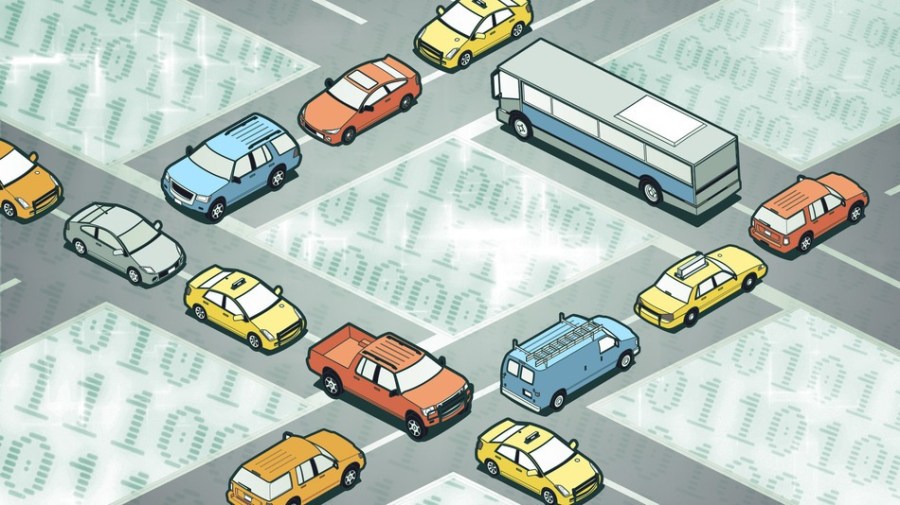
From Mashable: If you take the retail marketing adage “location, location, location,” and translate it to digital, the result would be visit rate, or traffic. In the physical world, it\’s possible to pay premium rent to get your product in front of lots of people, but on the web, garnering traffic is a bit more nuanced. The medium requires strategies that are focused on targeted audiences rather than the general public, not because products are narrow, but because methods of measuring efficacy enable marketers to see more success this way.

via Why Traffic Is Digital Marketing’s Foundational Metric.

One Way or Another, Big TV Is Getting Bigger. Will You Care? – Peter Kafka – Media – AllThingsD

From All Things D – Weren’t we all just about to cut the cord?  “A Comcast-Time Warner Cable deal would mean that the combined company would have some 33 million pay-TV subscribers — or about a third of the nation’s market. There’s no law preventing that, but the deal would certainly get lots of regulatory scrutiny, since the company would have a lot more leverage when it came to negotiating deals with programmers.”

via One Way or Another, Big TV Is Getting Bigger. Will You Care? – Peter Kafka – Media – AllThingsD.

The Complete Guide to Tumblr Subcultures

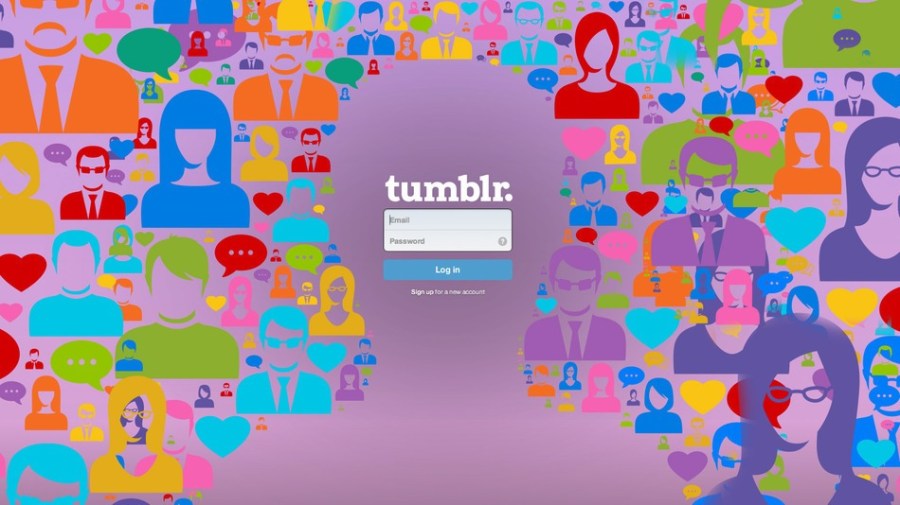
From Mashable – Most Tumblr users partake in one or several different subcultures, depending on their personal interests. Because Tumblr allows users to create multiple blogs, a single account can have various subculture-related blogs, as well as a personal one.  Personally, I’ve always been fascinated by the creativity and expression found on Tumblrs.  You just need to find them.

via The Complete Guide to Tumblr Subcultures.

The Decline of Wikipedia: Even As More People Than Ever Rely on It, Fewer People Create It

From MIT Technology Review – Look something up on Google or ask Siri a question on your iPhone, and you’ll often get back tidbits of information pulled from the encyclopedia and delivered as straight-up facts.

Yet Wikipedia and its stated ambition to “compile the sum of all human knowledge” are in trouble. The volunteer workforce that built the project’s flagship, the English-language Wikipedia—and must defend it against vandalism, hoaxes, and manipulation—has shrunk by more than a third since 2007 and is still shrinking.

via The Decline of Wikipedia: Even As More People Than Ever Rely on It, Fewer People Create It | MIT Technology Review.

The Hyphen in ‘E-Mail’ Just Lost a Major Ally

From Mashable – Still use a hyphen in the word email? Mashable does not, as you can see — and as of Monday, neither does the New York Times.

\”By popular demand, we\’re going to remove the hyphen from e-mail,\” declared the Grey Lady\’s editor of \”news presentation,\” Patrick LaForge, in a post on the newsroom\’s internal blog. He later confirmed the news in a tweet, along with some other tech word style changes:

via The Hyphen in ‘E-Mail’ Just Lost a Major Ally.