Flickr to Lose Facebook and Google Sign-In After June 30

Hope IFTTT gets to work on a recipe for this fast – this might be a problem for many.  “Yahoo earlier this year announced plans to phase out Google- and Facebook-based sign-in from its services. The feature was initially removed from a sports service and now it is Flickr’s turn, after Yahoo emailed users of the photo site with notice that Google and Facebook IDs will no longer be accepted there after June 30.”

via Flickr to Lose Facebook and Google Sign-In After June 30.
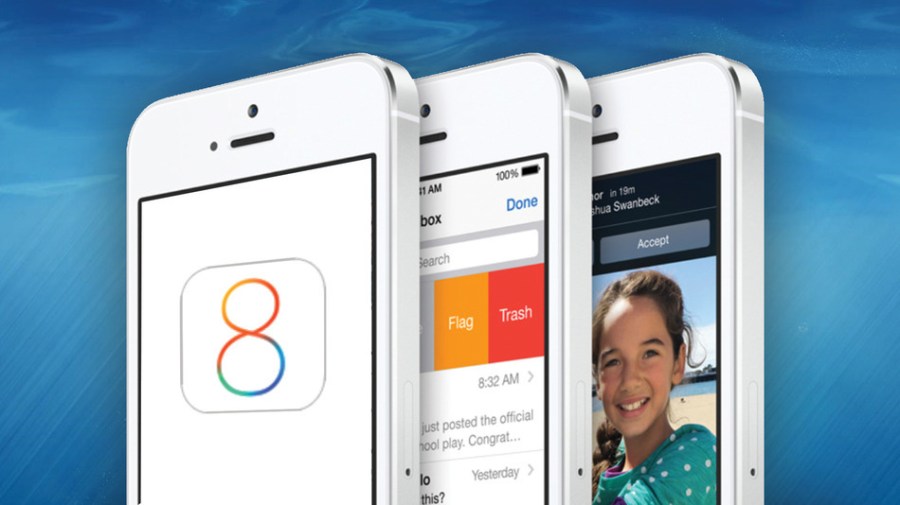
The 18 Most Important Features in iOS 8

I missed watching the stream of the conference, and at first it didn’t seem like anything terrific was announced.  The more I read, the more I am excited for some of the new functionality with both Yosemite and iOS8.   From Mashable.   “This year’s conference has had its share of surprises, and it’s little wonder devs are salivating: Apple is allowing more flexibility about what developers can grow within its walled garden. For the first time, third-party onscreen keyboards will be welcomed in iOS 8, widgets are coming to the notification center, and media apps will have greater access to the device’s camera. Apple even debuted its own programming language, Swift, which got some of the loudest cheers during Monday’s keynote.”

via The 18 Most Important Features in iOS 8.

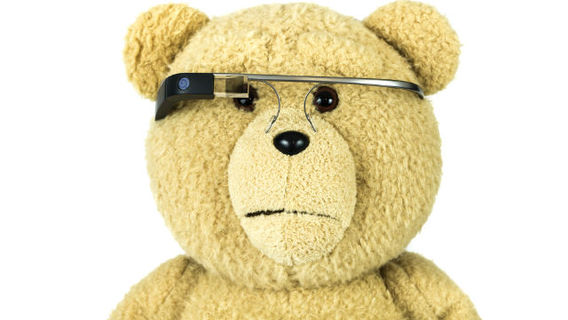
Wearable Computing is Not Calm Technology, Yet

The Big Think discusses Wearables, and the article hit the nail on the head for me.  They are not transparent – they are constant work.  They are “more a flashback of your worst Tamogotchi nightmare.”  Technology really should only require our attention when necessary, and wearables are certainly not what the article calls a “Calm Technology.”   “Wearables only work if you keep wearing them, and studies have found that most people don’t. Half of American adults who own an activity tracker no longer use it, and one third who have owned a wearable product stopped using it within six months. Obviously the reality of wearable computing isn’t as compelling as its promise.”

via Wearable Computing is Not Calm Technology, Yet | Capitally | Big Think.

How the Internet of Things Will Change Business

Ubiquitous technology is here, and it is not confined to computers and smartphones.  Prices of radio chips are falling, and its getting possible and affordable to connect things in every day life.  Sewer pipes, trash cans, HVAC.  Has it gone too far, or are we just beginning?  MIT Technology review sees both sides of the emergence of everyday and workplace Internet of Things.  “The technology industry is preparing for the Internet of things, a type of computing characterized by small, often dumb, usually unseen computers attached to objects. These devices sense and transmit data about the environment or offer new means of controlling it.”

via How the Internet of Things Will Change Business | MIT Technology Review.

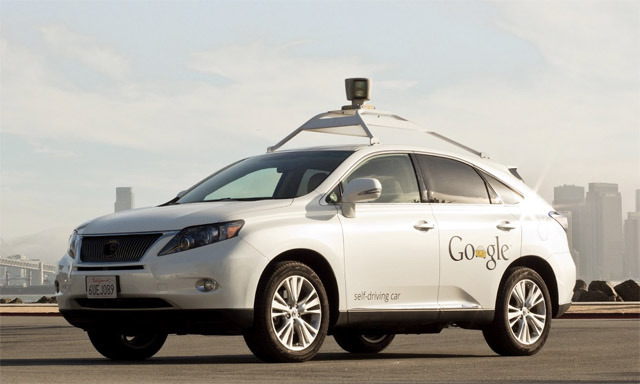
California Will Start Granting Licenses For Driverless Cars In September

Didn’t realize we’d already come so far.  I can’t quite imagine this on the East Coast, but it will be interesting to see.  From TechCrunch.  “Come September, the California Department of Motor Vehicles will begin granting licenses to select driverless cars and their human co-pilots, which will make it a bit less legally iffy as to whether or not they’re actually allowed to be on a public road.”

via California Will Start Granting Licenses For Driverless Cars In September | TechCrunch.

NPR Launches Database of Best Commencement Speeches Ever

From Open Culture – an article about a new feature on NPR’s blog.  There are so many famous commencement speeches….good opportunity to take a look and see them all in one place instead of searching on You Tube.  “On NPR’s blog, they’ve highlighted some of the key takeaways from the long history of commencement speeches: Be kind, dream, remember history, embrace failure, don’t give up, etc.  Right above, you can see NPR’s new animation featuring former Clinton and Obama speechwriter Jon Lovett at Pitzer College’s commencement.”

via NPR Launches Database of Best Commencement Speeches Ever – | Open Culture.

What Microsoft doesn’t get about the tablet revolution

Vox’s explanatory journalism piece about the new Microsoft Tablet Pro, introduced today.  They are, in fact, just making a super slim PC.   “But Microsoft’s vision is wrong. Tablets aren’t PCs. Indeed, iPads and Android-based tablets have succeeded precisely because they ditched the complexity of traditional PCs. Microsoft’s determination to make “tablet PCs” is a sign that the company doesn’t understand the economic forces behind the mobile computing revolution.”

via What Microsoft doesn’t get about the tablet revolution – Vox.