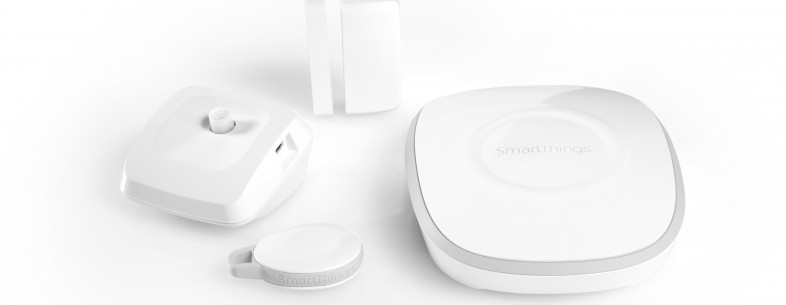
TNW profiles one of the newest “Internet of Things” connected home systems. Smart Things want to be very open, but very easy and offer different levels of certification, which = interoperability. “SmartThings founder Alex Hawkinson said in an interview that the company’s vision is to make every home a smart home by creating the easiest, most accessible experience for customers while maintaining an open platform. With those objectives, the startup has its hands full, as ease of use and openness don’t always go together.”
Category: Donna Murdoch
Donna Murdoch
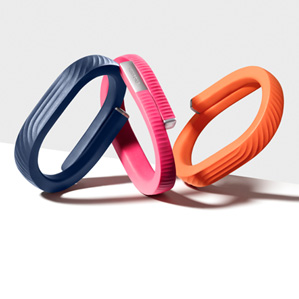
From MIT Technology Review. What else can we control with something that has so many capabilities? “The band is designed in the hope that you’ll wear it almost all the time, taking it off only for charging the battery and going swimming. And that says a lot about how important Jawbone and its main rival, Fitbit, are becoming. Few other companies have gotten people to put—and keep—electronics on their bodies. And getting the technology right is not trivial: Nike, whose Fuelband is considered the No. 3 seller in the market, is reconsidering its strategy and expects to lay off some people on the team behind the product.”
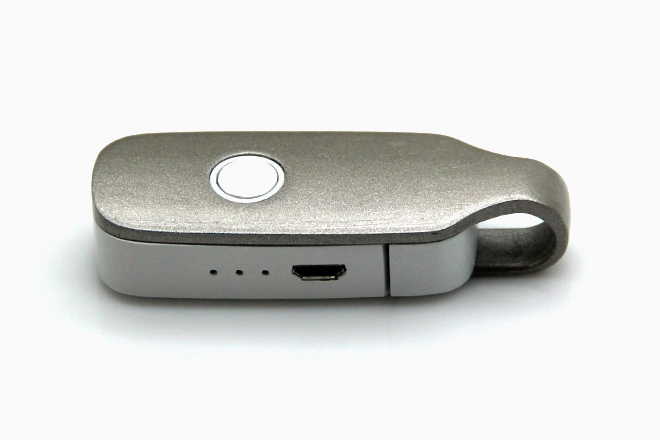
We’re all used to typing in what we need to know on our phones. But what about the physical world around us? There’s no way to Google physical objects, Wired explains in this article about a scanner being developed in Tel Aviv. Imagine running this scanner over a pill or piece of fruit to find out the molecular breakdown. We can’t do that now. “That needs to change, says Dror Sharon. He’s the co-founder and CEO of Consumer Physics, a Tel Aviv startup trying to fill that gap with a handheld device called Scio. Scio is a scanner, about the size of a flash drive, that can determine the molecular makeup of objects like food and medication.”
Connecting and networking are, without a doubt, critical to success in a startup business. They are critical in any business. With some people it is a knack, and with others it is a plan. For those who need a plan, Mashable presents one. “As most professionals and job seekers know, networking plays a huge role in helping you achieve your career goals. But strong industry connections can be beneficial to entrepreneurs, too: According to a recent survey by Dell and small business community Manta, one in five small business owners made networking their top priority when they first launched their startups.”
The Wayback Machine has always been invaluable. That site you remember seeing years ago? The way Google looked in 2008? Traveling through Internet History? The Museum of all things Internet has always been online. “The Internet Archive today announced a massive milestone for its Wayback Machine: 400 billion indexed webpages. The data encompasses the Web as it looked anytime from late 1996 up until a few hours ago.” From The Next Web.
via The Wayback Machine Passes 400 Billion Indexed Webpages.
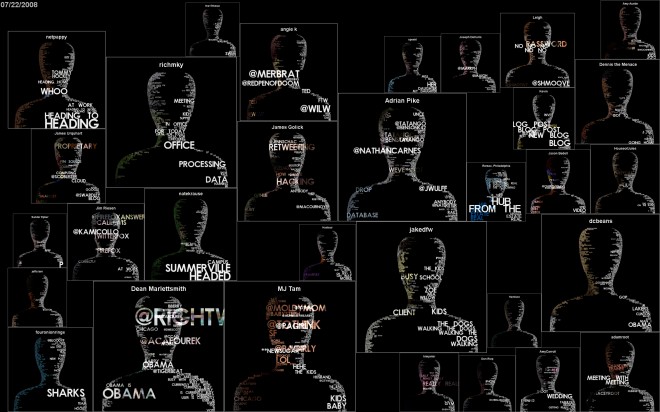
There has always been ongoing discussion about whether or not real names should be used in online discussions. danah boyd and others, including the author of this article Judith Donath, have expressed the positive effects of using different identities in different spaces. Certainly there are cases where avatars, or pseudonyms, are abused and can bring out the worst in people. Then again, with the permanence of online discussion, should every place we ever participate online become a part of our online identity? Donath uses the example of personal health issues, and it is a good one. For those who insist on real names, she says, “Instead, we should focus on how to design for keeping online discourse civil and constructive. And this involves supporting the middle ground, pseudonymous identities, which can provide both accountability and privacy.”
via We Need Online Alter Egos Now More Than Ever | Opinion | WIRED.
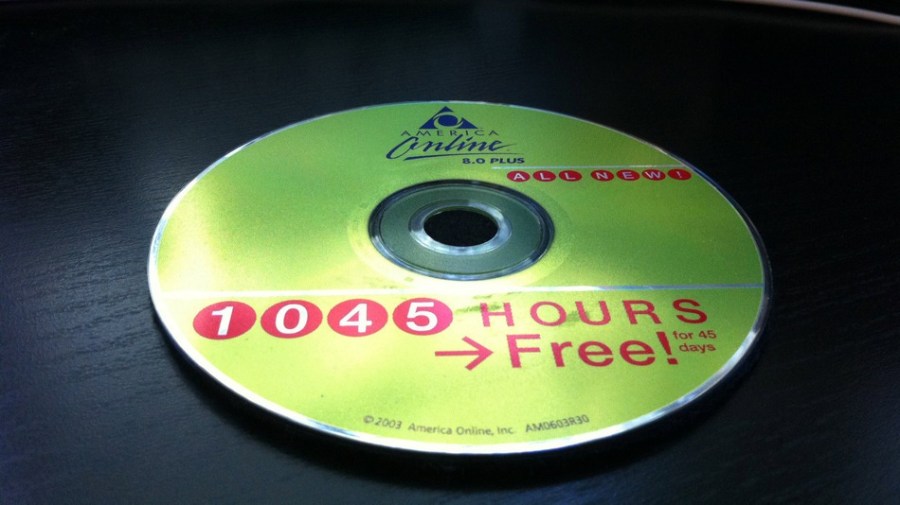
I still find people who think they have to pay a monthly fee for an AOL email address – and evidently AOL still counts on the people who don’t realize they can get it for free. “AOL has worked hard to reinvent itself as a modern digital media and advertising company, but the bulk of its profits still come from its dial-up ISP business.”
via AOL Still Relies on Dial-Up Profit as Its Media Shift Continues.
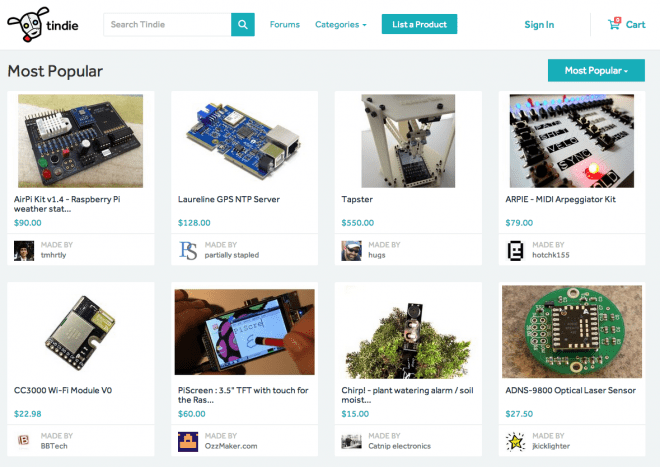
I’m not sure why Tindie is being compared to Kickstarter, because it is a marketplace and not a place to fund other projects. Regardless, what a fantastic idea for techie makers. “The tech cognescenti love talking about Kickstarter as a place for bootstrapping hardware projects. But the less-glamorous Tindie could prove just as important to the evolution of hardware design. Where Kickstarter is all about funding slick and shiny products that haven’t been built yet, Tindie is a straightforward marketplace for cruder devices that already exist, devices often built in small batches with limited amounts of capital. The result is a community of indie hardware makers who can feed off each other, a place that can help bootstrap a much wider revolution in hardware design.” From Wired.
There was an article earlier this week in the Atlantic about how Twitter was in its twilight. I couldn’t help but think they don’t really understand it. This article from Slate articulates why I felt that way. “Twitter is not a social network. Not primarily, anyway. It’s better described as a social media platform, with the emphasis on “media platform.” And media platforms should not be judged by the same metrics as social networks.”
via Twitter is not dying. It’s on the cusp of getting much bigger..
Big task, but there are plenty of abandoned pay phones. This is a great use of the the kiosks. “Free public WiFi has been available in spots throughout NYC, but now the mayor’s office is looking to cover all of its five boroughs with connectivity. In a press release today, the city’s Department of Information Technology and Telecommunications (DoITT) issued a request for proposals focused on “the creation of a robust, citywide network of internet hotspots.” The project looks to transform aging payphone kiosks into around 10,000 “communication points” across the cityscape, funded by advertising.” From Engadget.
via New York City looks to blanket the five boroughs with free WiFi thanks to next-gen payphones.