Inside.co is cutting “around the world in 80 days” down to 18.This travel startup introduced its portal for $10 travel guides today, which aim to provide a local experience of a new place in just three days.Inside was founded by Andrew Hyde and Brady Becker, two Boulder-based serial entrepreneurs who wanted to combine their love of startups with their love of travel. The result is Inside Travel Guides.

Category: New visions
“Thanks to advances in fields such as neuroscience, psychology, and anthropology and a massive increase in cheap computing power, says NBBJ computational design specialist Andrew Heumann, architects can now do more than just guess how people will move within projects they haven’t yet built. They can trace every possible path of movement, creating complete models of how a building will work (see video above).”
via Google and Amazon Hired These Architects to Invent the Future of Work | Wired Business | Wired.com.
One of the nice things about CES is that it’s not just about the big, flashy booths from the major consumer electronics brands. There is also plenty of room for smaller startups to show off their goods. And while a lot of these things are either banal (yet another iPhone case) or odd (a connected barbeque?), you inevitably also stumble across neat little gadgets that are worth a second look. Here are three of them:
Interesting article about “Ask Me Anything” in MIT Tech Review “Perhaps the most fascinating part of the popularity of the AMA is that it did not really exist before the modern (post-2000) Internet. Most social media forms find their roots in stuff people have long been doing. Word-of-mouth information sharing was the rule long before the industrialization of news production in the 19th and 20th centuries.”
via ‘Ask Me Anything’: How a Weird Internet Thing Became a New Form of Media.
The Internet of Things is the focus of CES this year. “The future of computing is not just the ability to get push notifications to device you wear on your wrist, answer a phone call or take a picture. It is about gathering and using data to make your life better, easier and more productive. The machines should make life less complicated. Companies like Intel and Qualcomm are leading the charge in innovation by building the platforms, processors and tools that will fundamentally alter how people live their lives.”
via What CES 2014 Is Really About: Your Connected Future – ReadWrite.
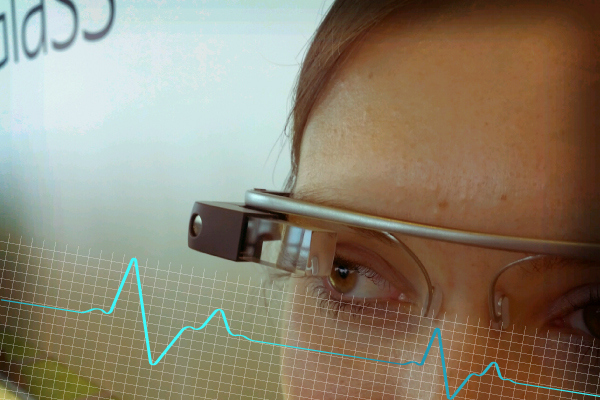
Beyond quantifying yourself, wearable computing is on the verge of entering the mainstream. While we can’t know for sure how it will be used, it’s time to embrace the unknown.
via Wearable technology set to take the workplace by storm — Tech News and Analysis.
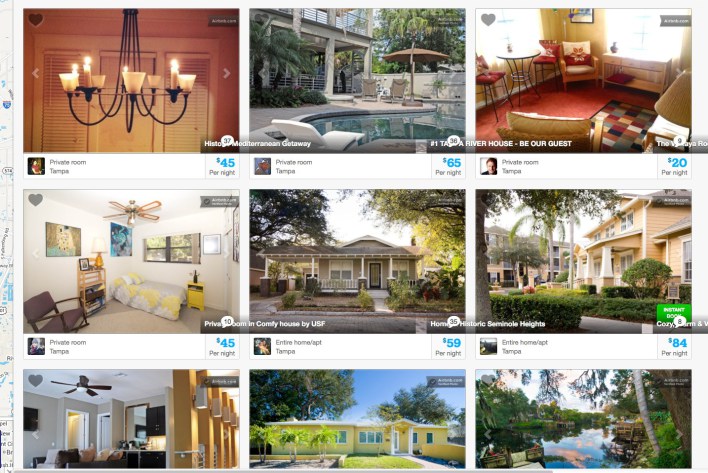
As the world’s cities get ever more crowded, the web sharing economy emerged into the mainstream this year. Next stop, booming cities in developing nations.
via An ode to a crowded planet and the sharing economy in 2013 — Tech News and Analysis. From GigaOm.
From Wired – The Rift is the brainchild of a 19-year-old tinkerer and VR enthusiast named Palmer Luckey. A collector of old VR headsets, Luckey was all too familiar with the shortcomings every system had faced—small fields of vision, unwieldy form factors, horrific resolution. He was also uniquely suited to do something about it: Years of modding videogame consoles and refurbishing iPhones for fun and profit had given him enough fine-soldering skills to start Frankensteining pieces from his existing headset collection.
via Oculus Primed: Meet the Geniuses Who Finally Mastered Virtual Reality | Game|Life | Wired.com.
Thanks to socialcreature.com
As far as humans are concerned, the world didn\’t exist until, well, they existed. That means anything that happened before you were born is mere fairy tales and make believe conversation. But what about those words that filled those tales and conversations? When did they start existing? When were those words born?