What Microsoft doesn’t get about the tablet revolution

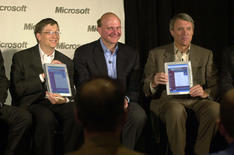
Vox’s explanatory journalism piece about the new Microsoft Tablet Pro, introduced today.  They are, in fact, just making a super slim PC.   “But Microsoft’s vision is wrong. Tablets aren’t PCs. Indeed, iPads and Android-based tablets have succeeded precisely because they ditched the complexity of traditional PCs. Microsoft’s determination to make “tablet PCs” is a sign that the company doesn’t understand the economic forces behind the mobile computing revolution.”

via What Microsoft doesn’t get about the tablet revolution – Vox.
SmartThings officially launches its connected home platform with a new certification program

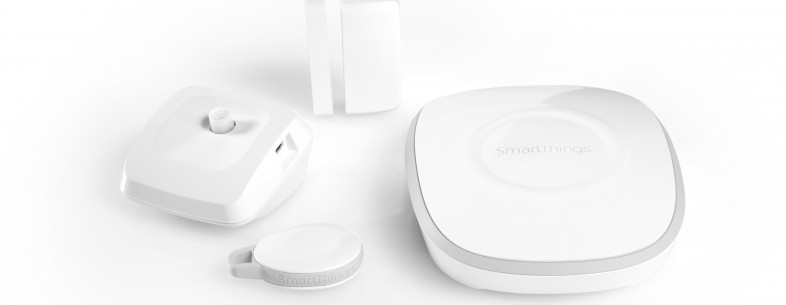
TNW profiles one of the newest “Internet of Things” connected home systems.   Smart Things want to be very open, but very easy and offer different levels of certification, which = interoperability.  “SmartThings founder Alex Hawkinson said in an interview that the company’s vision is to make every home a smart home by creating the easiest, most accessible experience for customers while maintaining an open platform. With those objectives, the startup has its hands full, as ease of use and openness don’t always go together.”

via SmartThings officially launches its connected home platform with a new certification program – The Next Web.

What Will Activity Tracking Bands Do with Their Prime Real Estate on Your Wrist?

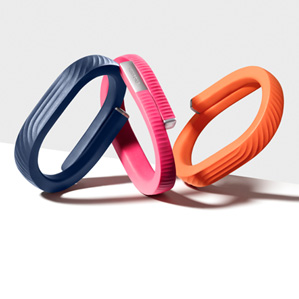
From MIT Technology Review.  What else can we control with something that has so many capabilities?  “The band is designed in the hope that you’ll wear it almost all the time, taking it off only for charging the battery and going swimming. And that says a lot about how important Jawbone and its main rival, Fitbit, are becoming. Few other companies have gotten people to put—and keep—electronics on their bodies. And getting the technology right is not trivial: Nike, whose Fuelband is considered the No. 3 seller in the market, is reconsidering its strategy and expects to lay off some people on the team behind the product.”

via What Will Activity Tracking Bands Do with Their Prime Real Estate on Your Wrist? | MIT Technology Review.

The Next Big Thing You Missed: One Day, You’ll Google the Physical World With a Scanner Like This

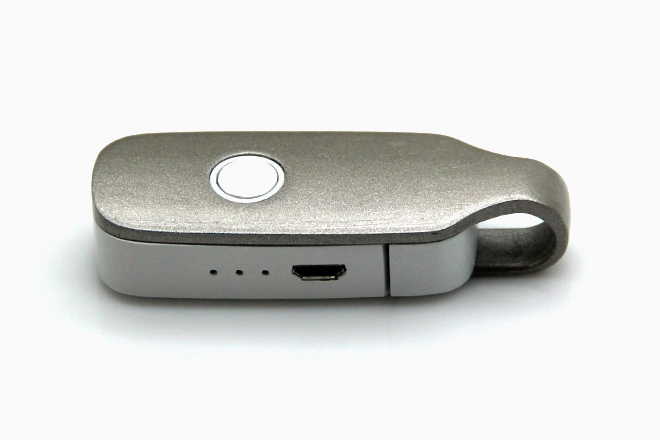
We’re all used to typing in what we need to know on our phones.  But what about the physical world around us?  There’s no way to Google physical objects, Wired explains in this article about a scanner being developed in Tel Aviv.  Imagine running this scanner over a pill or piece of fruit to find out the molecular breakdown.  We can’t do that now.  “That needs to change, says Dror Sharon. He’s the co-founder and CEO of Consumer Physics, a Tel Aviv startup trying to fill that gap with a handheld device called Scio. Scio is a scanner, about the size of a flash drive, that can determine the molecular makeup of objects like food and medication.”

via The Next Big Thing You Missed: One Day, You’ll Google the Physical World With a Scanner Like This | Business | WIRED.

Next Big Thing You Missed: Inside Tindie, a Thriving New Marketplace for DIY Gadgets

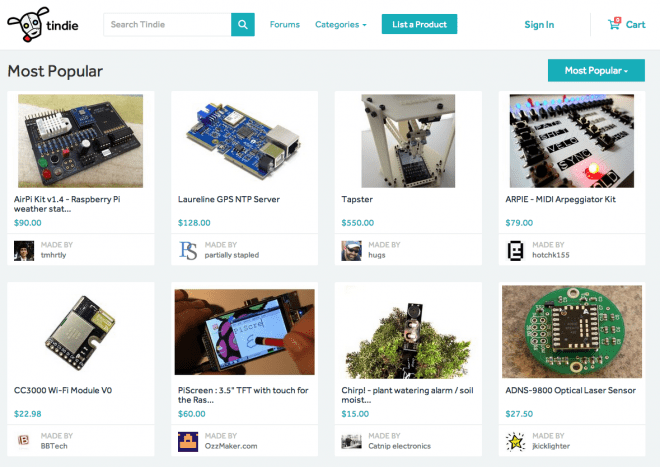
I’m not sure why Tindie is being compared to Kickstarter, because it is a marketplace and not a place to fund other projects.  Regardless, what a fantastic idea for techie makers.  “The tech cognescenti love talking about Kickstarter as a place for bootstrapping hardware projects. But the less-glamorous Tindie could prove just as important to the evolution of hardware design. Where Kickstarter is all about funding slick and shiny products that haven’t been built yet, Tindie is a straightforward marketplace for cruder devices that already exist, devices often built in small batches with limited amounts of capital. The result is a community of indie hardware makers who can feed off each other, a place that can help bootstrap a much wider revolution in hardware design.”  From Wired.

via Next Big Thing You Missed: Inside Tindie, a Thriving New Marketplace for DIY Gadgets | Business | WIRED.

New York City looks to blanket the five boroughs with free WiFi thanks to next-gen payphones

Big task, but there are plenty of abandoned pay phones.  This is a great use of the the kiosks.  “Free public WiFi has been available in spots throughout NYC, but now the mayor’s office is looking to cover all of its five boroughs with connectivity. In a press release today, the city’s Department of Information Technology and Telecommunications (DoITT) issued a request for proposals focused on “the creation of a robust, citywide network of internet hotspots.” The project looks to transform aging payphone kiosks into around 10,000 “communication points” across the cityscape, funded by advertising.”  From Engadget.

via New York City looks to blanket the five boroughs with free WiFi thanks to next-gen payphones.

Hulu’s new ads will let you order a pizza without leaving the video player

The title of this article says it all.  Who needs to ever leave their laptop or tablet now?  From VentureBeat.  “Hulu is teaming up with Pizza Hut on a new type of in-context advertising that’ll let you order food during a commercial break — right from the screen you’re watching.”

via Hulu’s new ads will let you order a pizza without leaving the video player | VentureBeat | Media | by Tom Cheredar.

Why Payment Innovation Is Not Enough For Retail

I’ve been fascinated with new methods of electronic payments.  There are lots of new offerings, providing ways to use mobile devices and key fobs.  I see using them in a rush – at convenience stores, coffee shops, restaurants…but I never imagined using them in a shopping mall.  That’s probably because I don’t go to shopping malls anymore.  Clearly I’m not the only one.  This article from TechCrunch…  ” Once a key differentiator, mobile payments are fast becoming a commodity and are widely used by retailers. Yankee Group found that 61 percent of large merchants already use a mobile checkout or plan to in 2014. We are seeing the major payments players recognize this, realizing that they can’t bank on razor-thin profit margins from swiping fees alone.”

via Why Payment Innovation Is Not Enough For Retail | TechCrunch.

User experience is the new differentiator. How will that affect the internet?

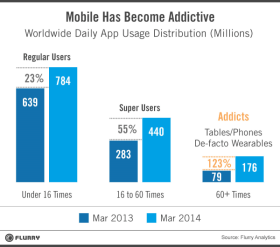
Consumers are demanding a faster and cleaner experience as well.  That is one of the reasons apps are being used more than mobile web browsers.  And of course it also remains true on a computer screen.  “As businesses demand faster user experiences, the nature of the internet is going to change.”  From GigaOm

via User experience is the new differentiator. How will that affect the internet? — Tech News and Analysis.