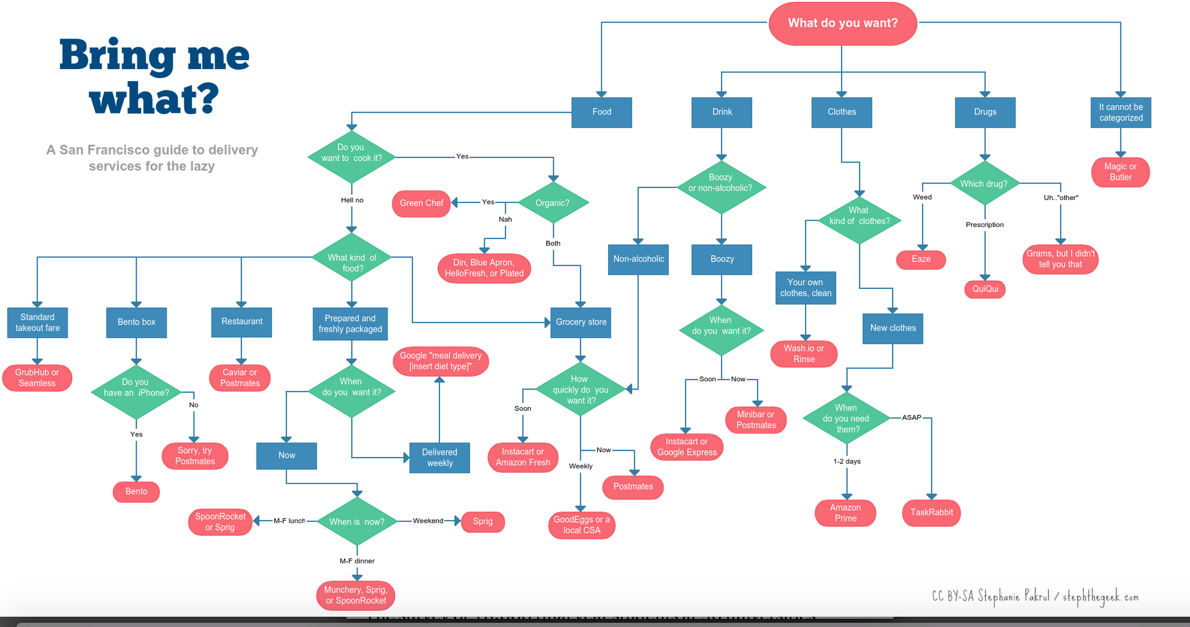
With This SF Delivery Service Flowchart, You’ll Never Go Anywhere To Get Anything Again: SFist.
Workplace Learning in the Digital Age
Dr. Donna Murdoch
There are so many people who have done this already, without even thinking about it. They simply watch what they want to watch on their laptops or tablets. A sign of things to come….from Wired.
“INTERNET TELEVISION’S TURNING point—the time when we can finally cut the cable cord—is almost here.”
via Internet TV’s Big Chance to Oust Cable Is Almost Here | WIRED.
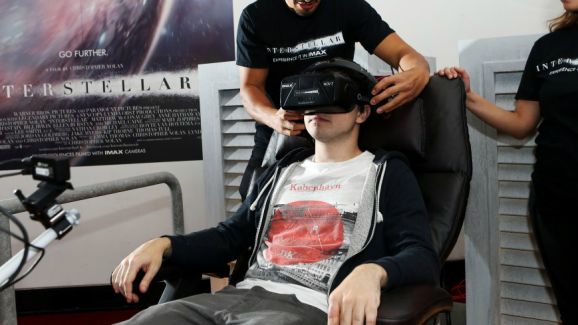
It’s that “list” time of year, where we see predictions and “best-of” articles everywhere. This prediction of tech advances from TechRadar is good, and includes
Battery tech (hoping!)
Galileo
Virtual Reality (it’s time!)
HTML5 (I would argue that was last year, but still good choice)
Retina Macbook Air (hoping!)
Smartwatches
Fast Charging Tech …and more. Link below.
“2015 is going to be even better, what with virtual reality, shiny new satellites, and even a few tweaks to the very fabric of the internet itself. Here’s our list of the tiny tech advances that we think will make 2015 a year to remember…”
via 10 tiny tech advances that will make 2015 awesome | News | TechRadar.
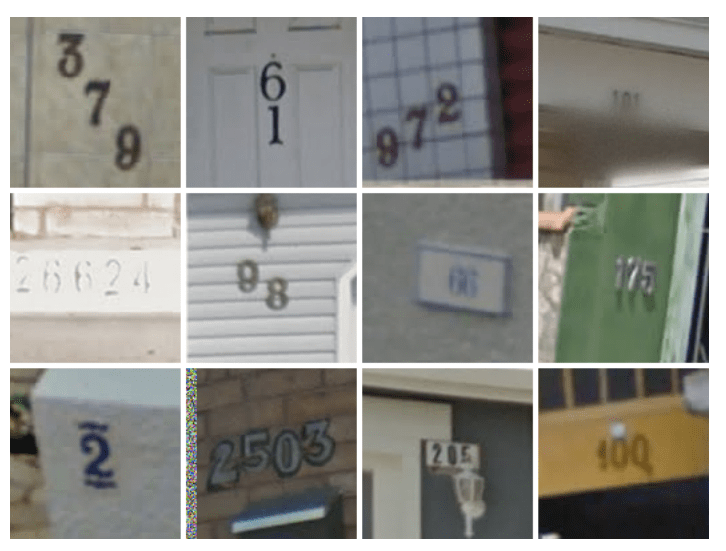
Using a neural network, Google can identify street numbers on houses in France. Fascinating article in MIT Technology Review this year about how their engineers did it.
“Google Street View has become an essential part of the online mapping experience. It allows users to drop down to street level to see the local area in photographic detail.But it’s also a useful resource for Google as well. The company uses the images to read house numbers and match them to their geolocation. This physically locates the position of each building in its database.That’s particularly useful in places where street numbers are otherwise unavailable or places such as Japan and South Korea where streets are rarely numbered in chronological order but in other ways such as the order in which they were constructed, a system that makes many buildings impossibly hard to find, even for locals.
via Best of 2014: How Google Cracked House Number Identification in Street View | MIT Technology Review.
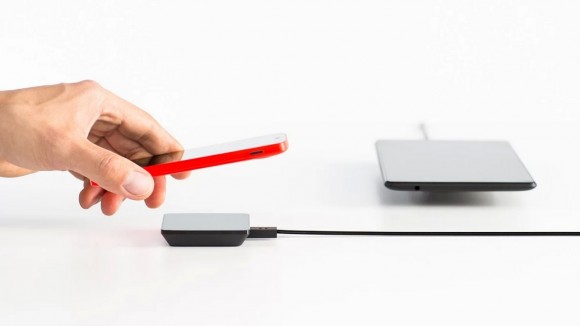
Battery power has always been the holy grail of electronics, and the more we carry the more we notice. Battery life is always a complaint when we talk about our devices. There have been no real advances in battery power technology. The only thing that makes them last longer is size – which is why an iPad can last so long. When I first heard about wireless charging and its potential, I thought it sounded like a fantastic solution. Get a pad, place devices on it to charge without plugging in – so easy. That was years ago, and we haven’t really seen it offered. There have been some efforts, but they require special cases for devices and the charging pads are small. Seems there is no standard. We’ll all continue to wait, and this article seems promising. Maybe we are almost there.
“The technology is there. Whether it’s inductive or magnetic resonance doesn’t matter one bit to most people. What entices consumers is the notion of being able to toss down a phone, tablet and pair of wireless headphones on the bedside table and have them all fully charged by the morning.”
via Why isn’t wireless charging a thing yet? | News | TechRadar.
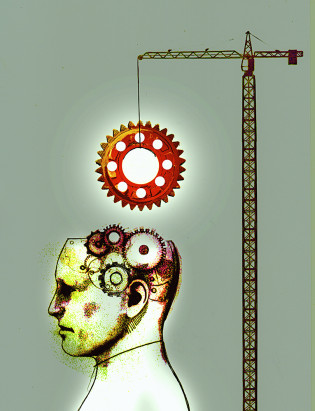
Conceptually, the goal has always been to make technology invisible. To many of us it is, though when we use the phrase “invisible” it means we just don’t notice it. If we are speaking with somebody on a cell phone, we don’t notice the phone. We think about the content, what we are saying, and the person we are speaking to. The phone is still in our hand, unnoticed, but visible (unless the phone isn’t working properly!)
In the new IoT era, the technology will be more embedded, more functional – yet truly invisible. This story from Wired is very accurate.
“How does one create an environment of “invisible technology”? Start by gaining a more complete understanding of all the facets that enable a product or service to operate. Break down any complexity by mapping each conversation that needs to take place between people and machines for the service to work well.”
via Rejoice: Tomorrow’s Tech Will Probably Stop Nagging Us | WIRED.

When HarvardX set up new offices, they didn’t get landlines. Not sure why any of us need landlines anymore…. “Nothing says “dragging education into the 21st century” quite like abandoning technologies of old. And, like it or not, your landline is quickly becoming about as pragmatic as the Pony Express.”
via Harvard Phases Out Office Landlines. Is Your Workplace Next? | Big Think | IdeaFeed.

This is not a surprise – we have Uber for families and UberX and Ubers with WiFi – now they can take advantage of this network for package delivery. Uber is disrupting things we could never imagine it would disrupt – who would have thought the share economy would grow as it has. “Uber is already an expert in getting you from door-to-door. Now, the company wants to figure out how to deliver stuff to your door as well.” From Wired Magazine.
via With New Delivery Service, Uber Declares War on Google and Amazon | Business | WIRED.

It’s so true. Small talk, serendipity, chance encounters. All gone, because we have our smartphones instead. Is that a good thing? This Mashable cartoon and article hints that it is – but many opportunities to meet people next to you are lost this way…. “Small talk is tough. No one really cares to discuss how hot/cold it is outside, but partygoers have got to do what’s necessary to break that awkward ice.But something is changing at parties ’round the world. Boring, but absolutely necessary, small talk is going extinct thanks to smartphones.”

The Internet of Things is likely to be bigger than any device – iPad, iPhone – because there is nothing it won’t apply to. This article discusses one particular wristband and its capabilities, but we are at the very beginning of what will soon be very common. Our biometric data, passwords, authentications, learning competencies, the lights we want on in our homes and the times the heater should turn on. It is all going to change dramatically, and soon. “At a recent demonstration in Toronto, a biomedical researcher slipped on a wristband and waved it at a laptop, watching as the computer recognized him and unlocked itself. Then he handed the same wristband to his research partner, who put it on and tried the same thing—but this time, the laptop didn’t respond.”
via On the Internet of Things, your body is the next thing to be networked.
 Workplace Learning in the Digital Age