
Fascinated by 3D printing. “What’s cooler than the stuff you can 3D print today? The things that 3D printers are almost, but not quite yet, capable of printing someday soon.”
via 5 Crazy Things We May Soon Be Able To 3D Print – ReadWrite.
Workplace Learning in the Digital Age
Dr. Donna Murdoch
Fascinated by 3D printing. “What’s cooler than the stuff you can 3D print today? The things that 3D printers are almost, but not quite yet, capable of printing someday soon.”
via 5 Crazy Things We May Soon Be Able To 3D Print – ReadWrite.

I’ve looked for these apps more than once. “If you want to manage them all through your iPhone or iPad, there are a number of podcast apps to consider. We tackled the problem back in 2011, but a lot has changed in the last three years – so here’s our updated shortlist.”
via 9 of the best podcast apps for the iPhone and iPad – The Next Web.
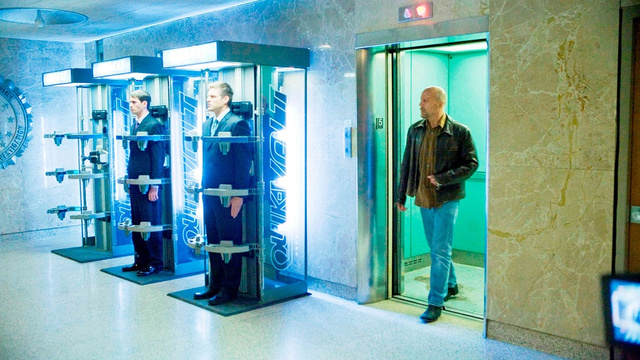
With such extreme technological change, we can’t guess anymore. Not only that, when something new happens, or when there is a new technology, there is not always horizontal adoptions. This article from Gizmodo makes a very good point. “Tech changes society, but society shapes tech. That is, social change and technological change go hand in hand, but neither one drives the other.”
via You can’t speculate about technology without speculating about society.

From the NYT, and article that talks about an anthropologist on Intel’s team who researches how we use technology and electronics in our lives – helping them visualize aspirations that take them beyond being a chipmaker. “Dr. Bell’s title at Intel, the world’s largest producer of semiconductors, is director of user experience research at Intel Labs, the company’s research arm. She runs a skunk works of some 100 social scientists and designers who travel the globe, observing how people use technology in their homes and in public. The team’s findings help inform the company’s product development process, and are also often shared with the laptop makers, automakers and other companies that embed Intel processors in their goods.”

My first “Jawbone” was a bluetooth headset, and Wired is right in this article that discusses how they don’t just perform a function – they redefine the entire gadget. “Jawbone is ascending into the top echelon of tech startups, joining the likes of Uber, Dropbox, and Square. But unlike these other rising stars, which are redefining digital services, Jawbone is redefining our gadgets themselves.”
via Jawbone Is Now the Startup Apple Should Fear Most | Wired Business | Wired.com.
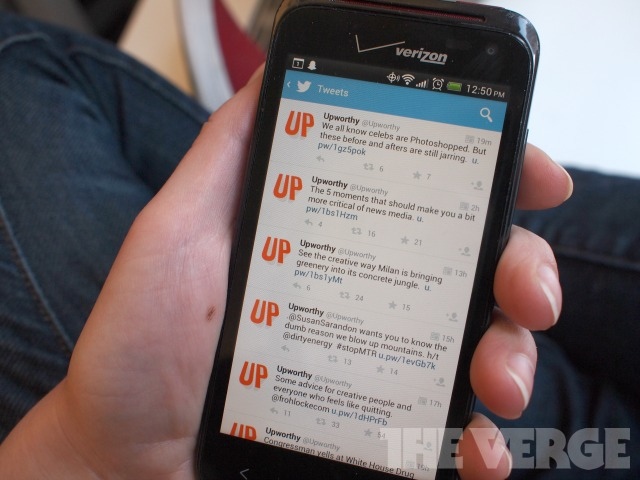
Chartbeat, which measures real time traffic, found “effectively no correlation between social shares and people actually reading.” Article is from The Verge.
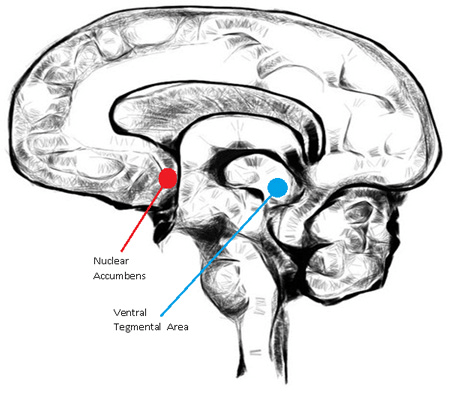
A generation of adults who don’t know life without earbuds. Surprised there has not been more written about the phenomenon. This is about perception of music (or chemistry of it.) “When you listen to music, a part of your brain called the nucleus accumbens activates. This triggers the release of the ‘pleasure chemical’ dopamine, that lives in a group of neurons in your brain called the Ventral Tegmental Area (VTA):

Up until now, I thought throttling bandwidth was an urban legend. Looks like that might not be so. From GigaOm. “Peering disagreements aren’t fun or consumer-friendly, but they might be the reason consumers’ video streams are suffering. New data purports to show much an effect these fights are having on your broadband.”
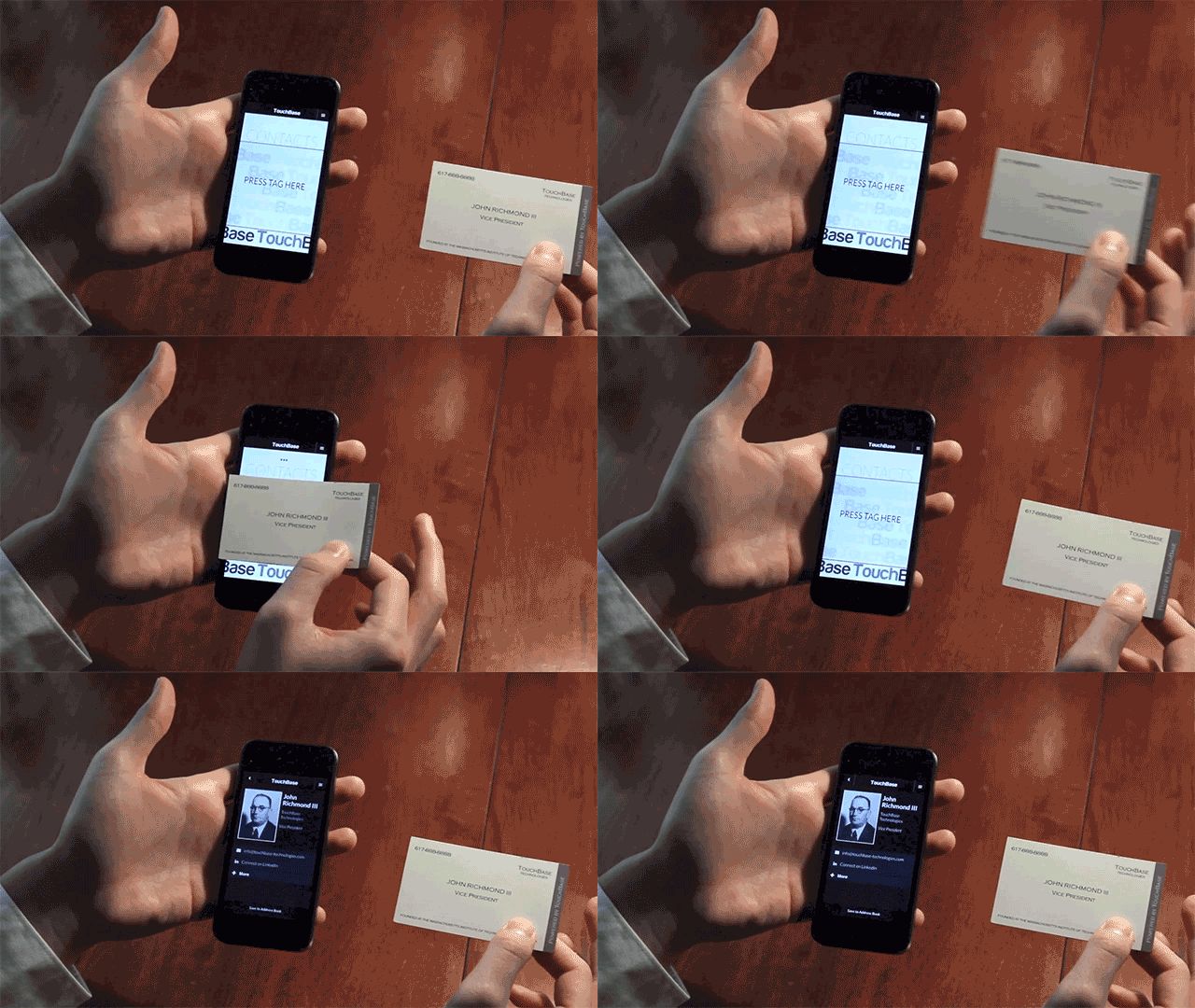
This are amazing. Business cards that can be easily scanned into any smartphone. “The TouchBase cards—which feel exactly like any other business card—are embedded with a distinct pattern of conductive ink that mimics a multi-touch gesture on a smartphone’s display.” From Gizmodo.
via Your Smartphone’s Touchscreen Can Read These Magical Business Cards.
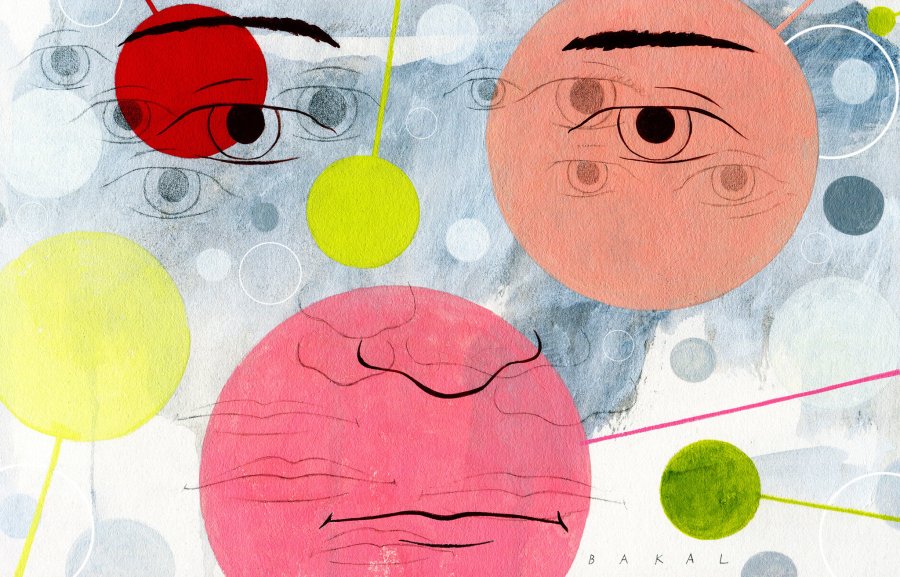
This is from the NYT this morning about Facial Recognition. We’ve been reading about how its application will be location-oriented, in aisles where we are standing to push us specials etc. This is new for me. People most likely to spend money. “Facial recognition technology, already employed by some retail stores to spot and thwart shoplifters, may soon be used to identify and track the freest spenders in the aisles.”
 Workplace Learning in the Digital Age